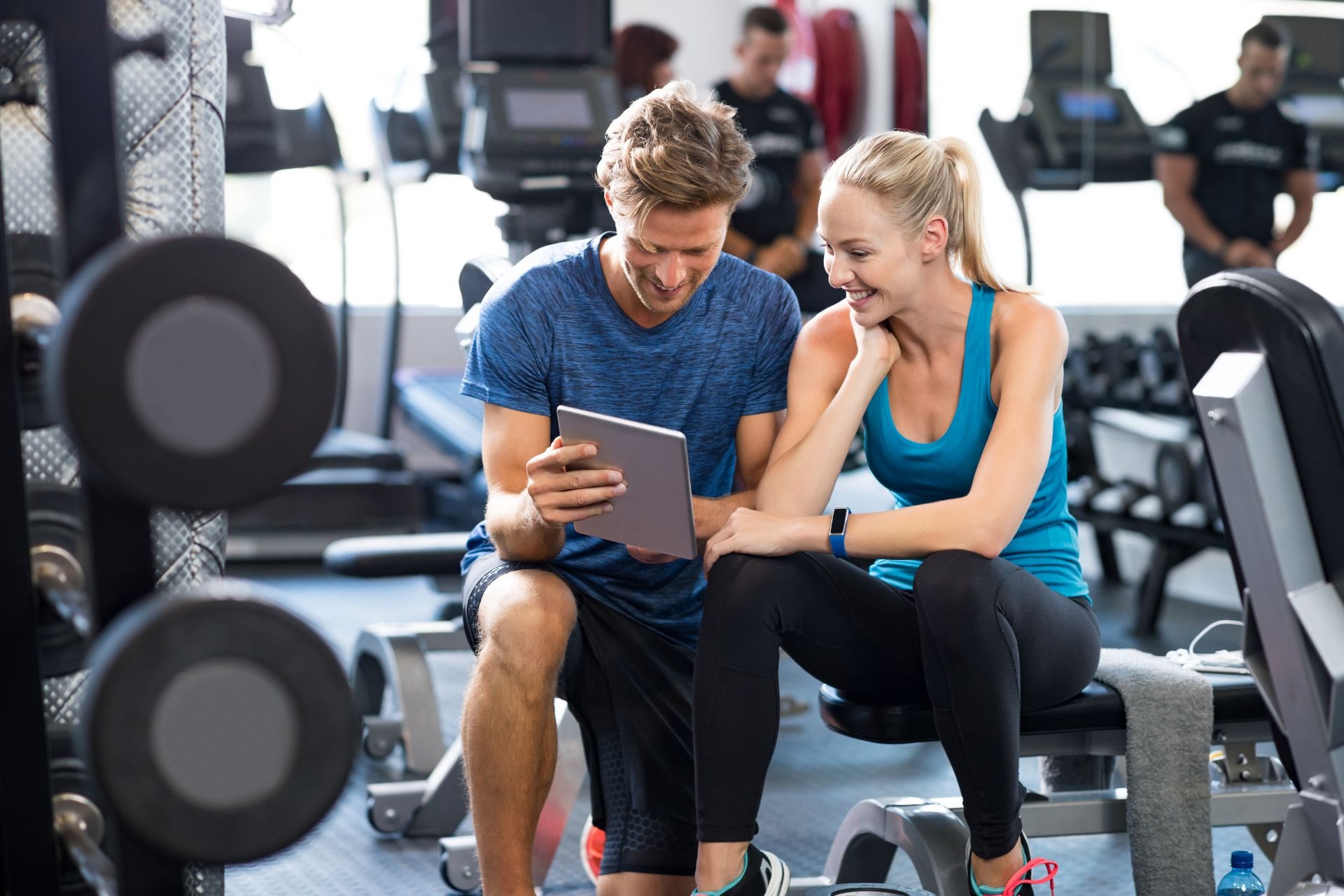
Common corrective exercise techniques used to address muscle imbalances include stretching, strengthening, and neuromuscular re-education. Stretching exercises help to lengthen tight muscles, while strengthening exercises focus on strengthening weak muscles. Neuromuscular re-education techniques aim to improve the communication between the nervous system and the muscles, helping to correct faulty movement patterns. These techniques can be tailored to target specific muscle imbalances and are often incorporated into a comprehensive exercise program to address and correct these imbalances.
Foam rolling can be used as a corrective exercise technique to address muscle imbalances by targeting myofascial restrictions and adhesions. By applying pressure to specific areas of the body using a foam roller, it can help release tension and improve the flexibility and mobility of the muscles and fascia. Foam rolling can be particularly beneficial for individuals with tight muscles or areas of muscle imbalance, as it can help to break up adhesions and improve overall muscle function.
What has helped me to be successful as a coach from the beginning of my 20+ years career as a personal trainer, despite inexperience or… The post Coaching Body Awareness for Personal Training Clients: A Secret to Success appeared first on National Federation of Professional Trainers.
Posted by on 2024-01-06
Volume, frequency, and load all factor into a successful resistance training program. Many personal training clients ask how often they should work out, how intensely,… The post What Is the Optimal Training Volume and Intensity for Strength Gains? Is More Actually Less? appeared first on National Federation of Professional Trainers.
Posted by on 2024-02-22
Winning over seasoned fitness enthusiasts into new personal training clients can seem like a daunting task. They have the confidence and discipline to stick to… The post Winning Seasoned Fitness Enthusiasts as A-List Personal Training Clients appeared first on National Federation of Professional Trainers.
Posted by on 2023-12-22
Effective recovery strategies can significantly impact your personal training clients’ progress and overall satisfaction with their training program. Your clients rely on you as a… The post Recovery 101 for New Personal Trainers appeared first on National Federation of Professional Trainers.
Posted by on 2024-01-08
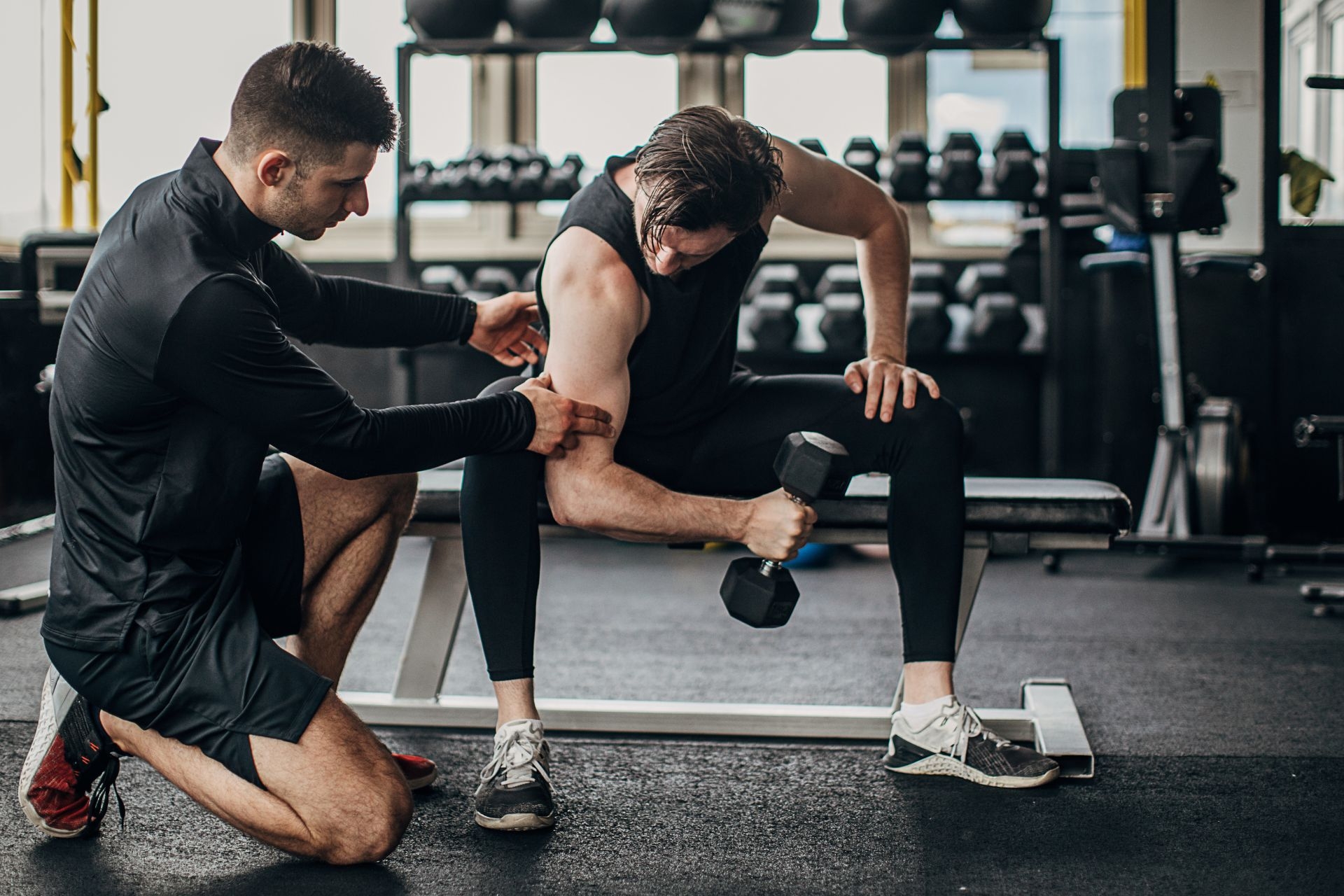
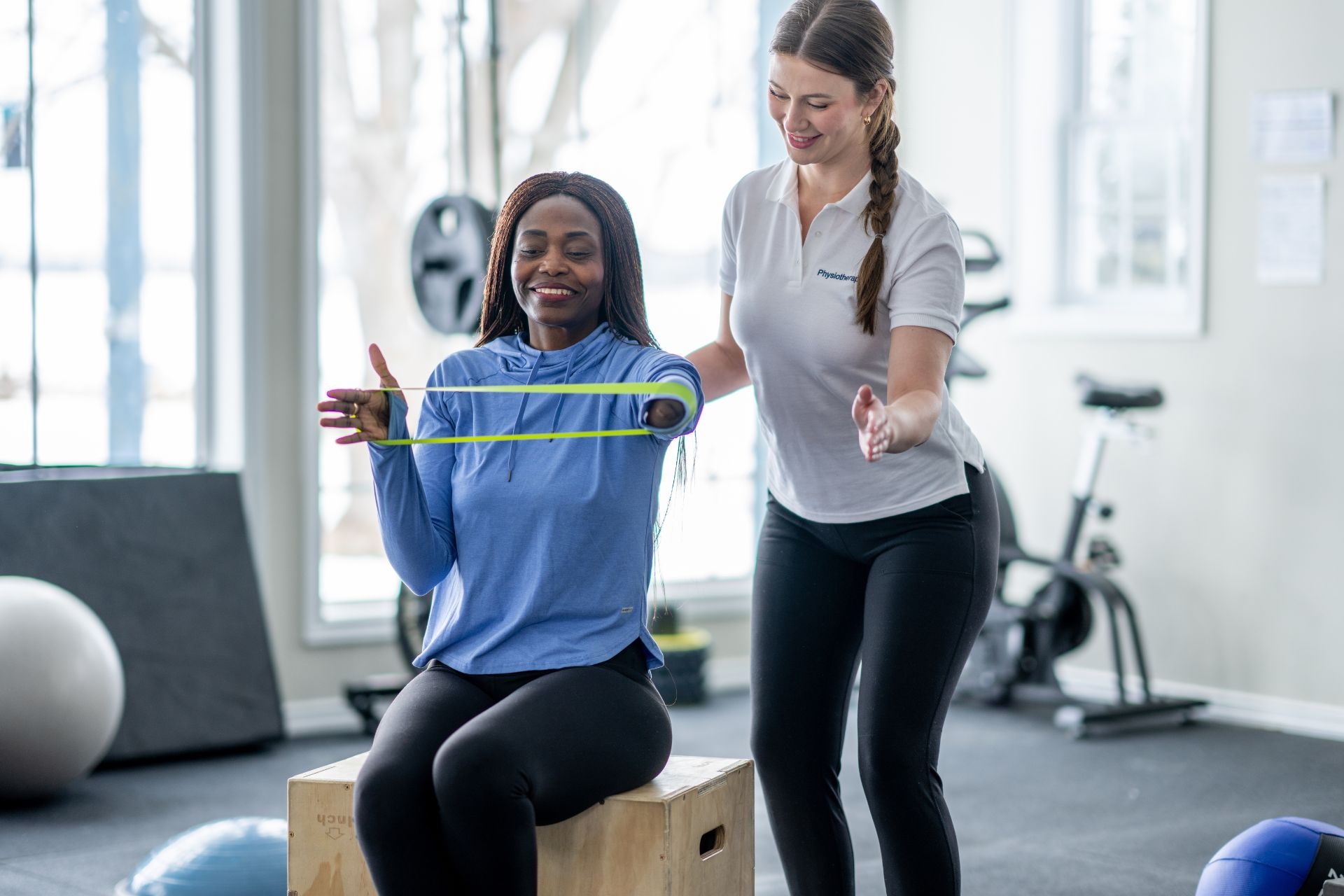
The purpose of using resistance bands in corrective exercise programs is to provide variable resistance and assist with muscle activation and strengthening. Resistance bands offer a versatile and portable way to target specific muscle groups and can be used to address muscle imbalances by providing resistance in a controlled manner. They can be used to target weak muscles and assist with proper movement patterns, helping to improve overall muscle balance and function.
Yes, corrective exercise techniques can help improve posture. Poor posture often results from muscle imbalances and faulty movement patterns. Corrective exercises can address these imbalances by targeting specific muscles that contribute to poor posture, such as the muscles of the core, back, and shoulders. By strengthening weak muscles and stretching tight muscles, corrective exercises can help restore proper alignment and improve posture over time.
Yes, there are specific corrective exercises that can help alleviate lower back pain. These exercises typically focus on strengthening the core muscles, improving flexibility in the hips and hamstrings, and addressing any muscle imbalances that may be contributing to the pain. Examples of corrective exercises for lower back pain include pelvic tilts, bird dogs, bridges, and hip stretches. It is important to consult with a healthcare professional or qualified exercise specialist to determine the most appropriate exercises for individual needs and conditions.
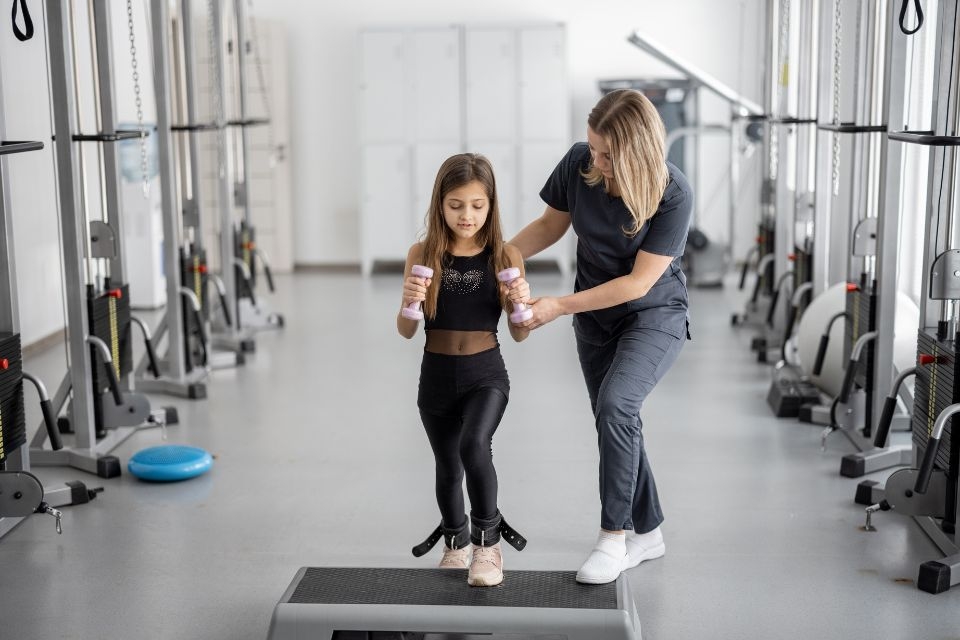
Balance training can be incorporated into a corrective exercise program to address muscle imbalances and improve overall stability. By challenging the body's ability to maintain balance, balance training can help activate and strengthen the muscles responsible for stability, such as the core, hips, and ankles. This can be done through exercises such as single-leg stands, balance board exercises, and stability ball exercises. Incorporating balance training into a corrective exercise program can help improve overall body control and reduce the risk of injury.
Examples of corrective exercises that target the shoulder joint include scapular retractions, external rotations, and shoulder stretches. Scapular retractions involve squeezing the shoulder blades together to strengthen the muscles that stabilize the shoulder joint. External rotations target the rotator cuff muscles, which help stabilize the shoulder joint and improve its range of motion. Shoulder stretches can help improve flexibility and mobility in the shoulder joint, reducing the risk of imbalances and injuries. These exercises can be performed using resistance bands, dumbbells, or bodyweight, depending on individual needs and capabilities.
Yes, there are specialized programs available for individuals experiencing menopause or andropause. These programs are designed to address the specific needs and challenges that arise during this stage of life. They typically include a combination of medical interventions, lifestyle modifications, and emotional support to help individuals manage symptoms such as hot flashes, night sweats, mood swings, and decreased libido. These programs may also provide education and resources on hormone replacement therapy, nutrition, exercise, stress management, and other strategies to promote overall well-being and quality of life during this transitional period. Additionally, some programs may offer counseling or support groups to help individuals navigate the emotional and psychological changes that can accompany menopause or andropause.
Personal training can provide numerous benefits for individuals with specific medical conditions. For starters, it can help improve cardiovascular health by incorporating exercises that target the heart and lungs, such as aerobic activities and interval training. Additionally, personal training can aid in managing weight and reducing the risk of obesity-related conditions, such as diabetes and high blood pressure, through tailored exercise programs and nutritional guidance. Moreover, it can enhance muscular strength and flexibility, which is particularly beneficial for individuals with conditions like arthritis or osteoporosis. Furthermore, personal trainers can design exercise routines that focus on improving balance and coordination, thus reducing the risk of falls for individuals with conditions like Parkinson's disease or multiple sclerosis. Lastly, personal training can also provide emotional support and motivation, helping individuals with medical conditions stay committed to their fitness goals and overall well-being.
Personal training is highly beneficial for individuals who are preparing for a specific event or milestone as it allows for a customized and tailored approach to their fitness journey. By working closely with a personal trainer, individuals can receive specialized guidance and support that is specifically designed to help them achieve their goals. Whether it is training for a marathon, preparing for a bodybuilding competition, or getting in shape for a wedding, personal trainers can create personalized workout plans that incorporate a variety of exercises, techniques, and training methods that are relevant to the specific event or milestone. Additionally, personal trainers can provide valuable advice on nutrition, recovery, and injury prevention, ensuring that individuals are well-prepared and equipped to perform at their best during the event or milestone. With their expertise and knowledge, personal trainers can help individuals optimize their training, overcome challenges, and ultimately achieve success in their specific endeavor.
Personal training can provide numerous benefits for individuals who are transitioning genders. Firstly, it offers a tailored and individualized approach to fitness and exercise, taking into account the specific needs and goals of the individual. This can include exercises that target areas of the body that may be of particular concern during the transition process, such as building muscle mass or toning certain areas. Additionally, personal training can provide a supportive and inclusive environment, where individuals can feel comfortable and safe while working towards their fitness goals. The personal trainer can also provide guidance and expertise on nutrition and overall wellness, which can be especially important during the transition process. Overall, personal training can play a crucial role in helping individuals transitioning genders to improve their physical fitness, boost their confidence, and enhance their overall well-being.